Know It

YOU'VE JUST SHOT SOMEONE. YOU CALL 911. WHAT DO YOU SAY NEXT?
Imagine a worst-case scenario: you believe you've had to use deadly force to protect yourself or someone you love. The police are on their way, you've called 911, and you're about to speak with the dispatcher.
But here's something you may not have considered: what you say in those first moments could have serious legal consequences.
In this video, a lawyer explains five words you should think twice about saying after a self-defense shooting—and why your words may matter just as much as the evidence itself.
Even if you believe your actions were justified, the stress of the moment can cause you to speak without thinking. An innocent-sounding statement may later be examined by investigators and prosecutors.
Knowing your rights before an emergency happens is essential. Understand the difference between protecting yourself, cooperating appropriately, and making statements that could complicate your legal defense.
Of course, the best outcome is always avoiding violence whenever possible. But if you ever face a genuine life-threatening situation, knowing how to respond—and when to seek legal counsel—can make a significant difference.
Watch until the end to learn the five words this attorney warns about. This is information you want to understand before you ever find yourself in a situation like this.
QUESTION: Do you think people are taught enough about their legal rights when it comes to self-defense?
Disclaimer: This video discusses general legal information and is not a substitute for advice from a qualified attorney. Laws governing self-defense, use of force, and statements to law enforcement vary by jurisdiction. In an actual emergency, prioritize safety, call 911 when safe, follow lawful instructions, and seek legal counsel. Never use force except as legally justified.
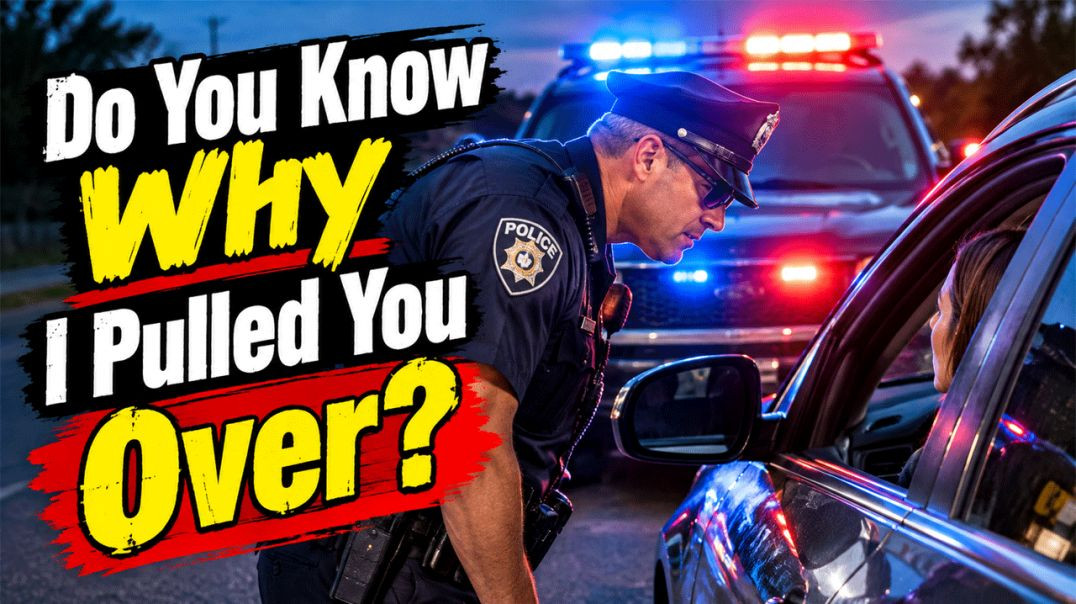
PULLED OVER BY THE POLICE? THINK BEFORE YOU SPEAK!
The officer walks up to your window and asks, “Do you know how fast you were going?”
What do you say?
“I wasn't speeding!”
“Yes, officer, I was speeding!”
Or do you simply keep your mouth shut?
Here's the problem: many drivers believe that being friendly, polite, and answering every question is always the best approach. But during a traffic stop, an innocent answer can sometimes give an officer information that may be used against you.
You might think you're just having a friendly conversation. The officer may be asking questions to gather evidence. And before you realize what's happening, you may have volunteered information you didn't need to provide.
The goal isn't to be rude, argue with the officer, or make the situation worse. It's to stay calm, understand your rights, and avoid unnecessary self-incrimination.
In this video, we look at the questions officers ask during traffic stops, why your answers matter, and how to handle the encounter without talking yourself into trouble.
Remember: You can be respectful without volunteering a confession. Don't lie, don't argue, and don't assume every question requires an answer. Your legal obligations can depend on the circumstances and your jurisdiction.
Watch before your next traffic stop—and remember, what you say can matter!
This video is for general educational and informational purposes only. It is not legal advice.

WARNING: Improper Hand Display! 😂
Apparently, flipping off a cop is enough to make some officers lose their cool! In this hilarious scenario, a driver gives a police officer the middle finger, and the officer gets so furious that he comes up with a brand-new offense: “Improper Hand Display!” 🤣
The problem? There's no magic law that makes a rude gesture automatically illegal. This funny video, presented by an attorney, pokes fun at police officers who let their egos get in the way of the law. It also highlights an important First Amendment principle: offensive or vulgar expression can be constitutionally protected, even when directed at the police, depending on the circumstances and applicable law.
The attorney makes it clear that this isn't an invitation to resist the police. It's a reminder that expressing an opinion, even in an obnoxious way, is not automatically a crime.
Perfect for fans of sarcastic humor, legal comedy, civil liberties, free speech, and those laugh-out-loud moments when someone takes a joke way too seriously.
Improper Hand Display: When your feelings get hurt, so you try to make up a law! 😂🖕
Disclaimer: This description is for humor and general informational purposes, not legal advice. Laws and circumstances vary by jurisdiction.

Many people believe that once police have a search warrant, they can search anything they want, anywhere they want.
In reality, search warrants are generally required to be specific. A warrant typically identifies the location to be searched and the items or evidence officers are authorized to look for and seize, if they find it.
In this educational video, an attorney explains how search warrants work and why the details matter.
Topics covered:
• Search warrants
• Fourth Amendment rights
• Probable cause
• Search and seizure law
• Constitutional protections
• Police investigations
• Legal education
• Citizen rights
Important concepts discussed:
• Warrants are generally based on probable cause approved by a judge or magistrate.
• Warrants typically describe the place to be searched and the items sought.
• Officers generally search areas where the listed evidence could reasonably be located.
• Evidence discovered during a lawful search may sometimes be subject to additional legal rules and exceptions.
• The scope and legality of a search can become important issues in court.
Understanding how warrants work can help citizens better understand their constitutional protections and the limits placed on government searches.
This video is for educational and informational purposes only and is not legal advice.

If you're arrested, can police immediately start scrolling through your phone?
According to a landmark U.S. Supreme Court decision, the answer is generally no. While officers may search your person during an arrest for weapons, officer safety, and certain evidence-related purposes, the contents of your cell phone are often treated differently because of the vast amount of personal information they contain.
In this short educational video, a lawyer explains the difference between a search of your person and a search of your digital data.
Topics covered:
• Cell phone searches
• Search warrants
• Arrest procedures
• Fourth Amendment rights
• Digital privacy
• Constitutional protections
• Police encounters
• Search and seizure law
• Know your rights
Important points:
• Officers may generally conduct a search of your person incident to a lawful arrest.
• Accessing the contents of a phone often requires a warrant or another recognized legal exception.
• Modern smartphones can contain years of personal communications, photos, financial information, and location data, which is one reason courts have treated them differently from ordinary physical items.
As always, legal rules can vary depending on the facts of the case, the jurisdiction, and applicable exceptions recognized by the courts.
This video is for educational and informational purposes only and is not legal advice.

"Do you have anything illegal in the car?"
According to many criminal defense attorneys, this is one of the most common questions asked during traffic stops. What follows is often another familiar question:
"Well, you don't mind if I search your vehicle, do you?"
In this educational short, a lawyer explains the difference between probable cause and consent, and why understanding that difference can be important during a police encounter. The lesson is not about being argumentative or disrespectful. It is about understanding your rights and making informed decisions.
Key points discussed:
• Traffic stop conversations
• Consent searches
• Probable cause vs. consent
• Why officers ask investigative questions
• How voluntary consent can affect a search
• The importance of clear communication
• Constitutional rights during police encounters
The attorney's advice is simple: if you do not wish to consent to a search, clearly and respectfully state:
"I do not consent to searches. or any entry into my personal belongings" .
Avoid jokes, sarcasm, arguments, or unclear answers. Whatever decision you make, be calm, respectful, and deliberate. This video is for educational and informational purposes only and is not legal advice. Laws and procedures may vary by jurisdiction.

What should you do when a police officer approaches you during a traffic stop, pedestrian stop, or other public encounter?
Many attorneys and civil rights advocates recommend documenting interactions whenever it is legal and safe to do so. A recording can provide an objective record of what was said and done during an encounter, helping to reduce misunderstandings and preserve important details.
In this short educational video, an attorney explains why creating your own record can be valuable and how documentation can become important if questions arise later about what occurred during an interaction.
Topics covered:
• Police encounters
• Traffic stops
• Recording public officials
• Citizen rights
• Evidence and documentation
• Constitutional rights
• Protecting yourself legally
• Attorney legal education
• Public accountability
• Know your rights
Always comply with lawful orders and be aware that recording laws can vary depending on location and circumstances.
This video is for educational and informational purposes only and is not legal advice.

Many people believe that an assault only occurs when someone is physically struck or injured.
Legally, that's often not the case.
In this educational video, an attorney explains the difference between assault and battery using real-world examples, including reckless bicycle riders, threatening behavior, intimidation, bullying, and situations where people reasonably fear they may be harmed.
The key distinction:
• Assault is generally the threat, attempt, or conduct that places someone in reasonable fear of imminent harmful or offensive contact.
• Battery is the actual unwanted physical contact.
Understanding the difference can help you better understand criminal law, personal rights, and how courts often view threatening behavior—even when no physical contact occurs.
Topics covered:
• Assault vs battery
• Criminal law basics
• Threats and intimidation
• Reckless conduct
• Personal safety
• Legal definitions
• Bullying and harassment
• Rights and responsibilities
• Attorney legal education
This video is for educational and informational purposes only and is not legal advice. Legal definitions vary by jurisdiction.

What do these four police encounters have in common?
The answer is simple: the Fifth Amendment and your right to remain silent.
In this short educational video, an attorney uses four real-world examples to demonstrate why exercising your constitutional rights can be important during police encounters. From officers asking investigative questions to situations where people are pressured to talk, the lesson remains the same: you generally do not have to answer questions that could be used against you.
This video covers:
• The Fifth Amendment right against self-incrimination
• Police questioning during encounters and traffic stops
• Why many attorneys advise people to remain silent
• Common misconceptions about answering police questions
• How talking can sometimes complicate a situation
• The importance of knowing and asserting your constitutional rights
Understanding your rights is not about being difficult or uncooperative. It is about understanding the protections provided by the Constitution and making informed decisions during police encounters.
This video is for educational and informational purposes only and is not legal advice.

Many drivers believe that refusing to answer police questions during a traffic stop automatically makes them look suspicious and gives officers a reason to search their vehicle.
But is that actually true?
In this video, a lawyer explains the difference between exercising your right to remain silent and giving police legal grounds to search your car. We discuss the common misconceptions surrounding traffic stops, consent searches, probable cause, search warrants, and your constitutional rights.
If you've ever wondered what happens when you politely decline to answer questions during a traffic stop, this short educational video breaks down the legal principles involved and explains why understanding your rights matters.
Topics covered:
• Traffic stop rights
• Right to remain silent
• Consent to search
• Probable cause
• Vehicle searches
• Fourth Amendment protections
• Police encounters
• Constitutional rights
This video is for educational and informational purposes only and is not legal advice.
